As a seasoned supplier of turning milling machine frames, I’ve witnessed firsthand the profound impact these seemingly unassuming components have on the overall accuracy and performance of the machines. In the intricate world of machining, where precision is not just a goal but a necessity, the frame of a turning milling machine serves as the backbone, influencing every cut, every turn, and every measurement. In this blog, I’ll delve into the various ways the turning milling machine frame affects the machine’s accuracy, drawing on my years of experience and industry knowledge. Turning Milling Machine Frame
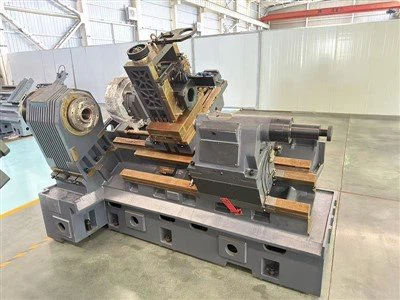
Structural Rigidity: The Foundation of Precision
One of the most critical factors in determining a turning milling machine’s accuracy is the structural rigidity of its frame. A rigid frame provides a stable platform for the machine’s moving components, minimizing vibrations and deflections during operation. When a machine is in use, cutting forces are exerted on the workpiece, and these forces can cause the machine to flex or vibrate. If the frame is not rigid enough, these vibrations and deflections can lead to inaccuracies in the machined parts, such as poor surface finish, dimensional errors, and uneven cuts.
To ensure maximum rigidity, turning milling machine frames are typically made from high-quality materials, such as cast iron or steel. These materials have excellent mechanical properties, including high strength, stiffness, and damping capacity. Cast iron, in particular, is a popular choice for machine frames due to its ability to absorb vibrations and dampen noise, which helps to improve the overall stability and accuracy of the machine.
In addition to the material selection, the design of the frame also plays a crucial role in its rigidity. A well-designed frame will have a robust structure with thick walls, reinforced ribs, and a proper distribution of mass. This helps to minimize the effects of cutting forces and vibrations, ensuring that the machine remains stable and accurate throughout the machining process.
Thermal Stability: Maintaining Accuracy in Changing Conditions
Another important factor that affects the accuracy of a turning milling machine is its thermal stability. During operation, the machine generates heat due to the friction between the cutting tool and the workpiece, as well as the heat generated by the machine’s motors and other components. This heat can cause the machine to expand and contract, which can lead to dimensional changes and inaccuracies in the machined parts.
To minimize the effects of thermal expansion, turning milling machine frames are designed to have good thermal conductivity and a low coefficient of thermal expansion. This helps to dissipate heat quickly and evenly, reducing the temperature gradients within the machine and minimizing the dimensional changes caused by thermal expansion.
In addition to the design of the frame, the use of thermal compensation systems can also help to improve the thermal stability of the machine. These systems use sensors to monitor the temperature of the machine and adjust the position of the cutting tool or the workpiece to compensate for the thermal expansion. This helps to ensure that the machine remains accurate even in changing thermal conditions.
Alignment and Assembly: Ensuring Precision in Every Component
The alignment and assembly of the turning milling machine frame are also critical factors in determining the machine’s accuracy. A poorly aligned or assembled frame can cause misalignments between the machine’s components, such as the spindle, the table, and the cutting tool. These misalignments can lead to inaccuracies in the machined parts, such as poor surface finish, dimensional errors, and uneven cuts.
To ensure proper alignment and assembly, turning milling machine frames are typically machined to very tight tolerances and assembled using precision tools and techniques. During the assembly process, the components are carefully aligned and adjusted to ensure that they are parallel, perpendicular, and concentric with each other. This helps to minimize the effects of misalignments and ensure that the machine operates with maximum accuracy.
In addition to the initial alignment and assembly, regular maintenance and calibration of the machine are also essential to ensure its continued accuracy. Over time, the machine’s components can wear out or become misaligned, which can affect its performance. By performing regular maintenance and calibration, these issues can be detected and corrected before they cause significant problems.
The Impact of Frame Design on Accuracy
The design of the turning milling machine frame can also have a significant impact on the machine’s accuracy. Different frame designs offer different levels of rigidity, thermal stability, and alignment, which can affect the machine’s performance in different ways.
For example, a C-frame design is a popular choice for turning milling machines due to its simplicity and compactness. However, C-frame designs can be less rigid than other designs, which can lead to increased vibrations and deflections during operation. On the other hand, a bridge-type design is a more rigid and stable design, which is better suited for high-precision machining applications.
In addition to the overall design of the frame, the shape and size of the frame can also affect the machine’s accuracy. For example, a larger frame can provide more stability and rigidity, which can help to improve the machine’s accuracy. However, a larger frame can also be more expensive and require more space, which may not be practical for all applications.
Conclusion: The Importance of Choosing the Right Frame
In conclusion, the turning milling machine frame plays a crucial role in determining the machine’s accuracy and performance. A rigid, thermally stable, and well-aligned frame provides a stable platform for the machine’s moving components, minimizing vibrations and deflections during operation. This helps to ensure that the machine operates with maximum accuracy and produces high-quality machined parts.
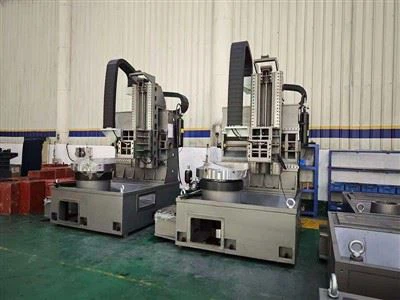
As a supplier of turning milling machine frames, I understand the importance of choosing the right frame for your application. That’s why I offer a wide range of high-quality frames that are designed to meet the specific needs of different machining applications. Whether you need a frame for a small, precision machining job or a large, heavy-duty machining application, I have the expertise and experience to help you find the right frame for your needs.
Horizontal Milling Machine If you’re interested in learning more about our turning milling machine frames or would like to discuss your specific requirements, please don’t hesitate to contact me. I’d be happy to answer any questions you may have and provide you with a free quote. Let’s work together to ensure that your turning milling machine operates with maximum accuracy and performance.
References
- Smith, J. (2018). Precision Machining Technology. Prentice Hall.
- Brown, D. (2019). Machine Tool Design and Applications. CRC Press.
- Jones, R. (2020). Manufacturing Engineering and Technology. Pearson.
Smartech Machinery & Equipment Co., Ltd.
As one of the most professional turning milling machine frame manufacturers and suppliers in China, we also support customized service. Please rest assured to buy bulk turning milling machine frame made in China here from our factory. Contact us for more details.
Address: Room 2832, Changping Commercial Mansion, Shihua Road, Futian Free Trade Zone, Shenzhen, China
E-mail: smartech@smartechcnc.cn
WebSite: https://www.smartech-cnc.com/
