Do flexible MDF tambour wall panels attract dust easily?
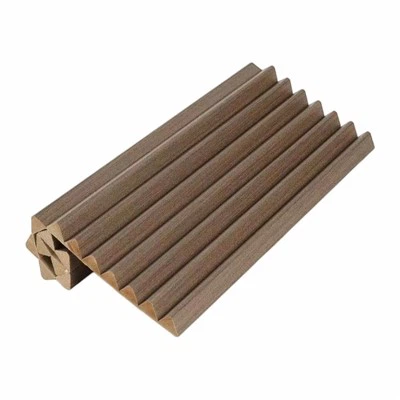
As a supplier of flexible MDF tambour wall panels, I’m often asked a range of questions from customers about the products we offer. One query that pops up more regularly than others is: "Do flexible MDF tambour wall panels attract dust easily?" In this blog post, I’ll delve into the science behind dust attraction, examine the characteristics of flexible MDF tambour wall panels, and provide a well – rounded answer to this frequently asked question. Flexible MDF Tambour Wall Panels
Understanding Dust and Its Attraction
Before discussing whether flexible MDF tambour wall panels attract dust easily, it’s important to understand what dust is and why it adheres to surfaces. Dust is a complex mixture of tiny particles such as skin cells, fabric fibers, pollen, and dirt from the outside environment. These particles can range in size from a fraction of a micrometer to several hundred micrometers.
The main factors that cause dust to adhere to surfaces are electrostatic forces, Van der Waals forces, and airflow patterns. Electrostatic forces occur when there is a build – up of static electricity on a surface. This static charge can attract dust particles, which are often charged as well. Van der Waals forces are weak intermolecular forces that exist between all molecules. These forces can cause dust particles to stick to surfaces at a microscopic level. Airflow patterns also play a role; areas with low air circulation tend to collect more dust as the particles have more time to settle.
Characteristics of Flexible MDF Tambour Wall Panels
Flexible MDF (Medium – Density Fiberboard) tambour wall panels are crafted from compressed wood fibers and resin, which are then formed into a flexible and malleable material. This type of panel has several unique features that can influence its dust – attracting properties.
Surface Texture
The surface texture of flexible MDF tambour wall panels can vary depending on the manufacturing process and finishing. Some panels have a smooth finish, while others may have a slightly textured surface. A smooth surface generally has fewer areas for dust particles to settle and adhere to. In contrast, a textured surface can provide more nooks and crannies where dust can accumulate. However, modern manufacturing techniques often produce flexible MDF tambour wall panels with a relatively smooth finish, which reduces the likelihood of dust getting trapped.
Material Composition
The composition of MDF itself is not inherently attractive to dust. MDF is made from wood fibers, which are relatively inert and do not have a strong electrostatic charge. The resin used in MDF bonding also plays a role; high – quality resins not only provide structural integrity but also help in creating a surface that is less likely to attract dust. Unlike some synthetic materials that can generate a large amount of static electricity, MDF typically has a low electrostatic charge, which means it is less likely to attract dust through electrostatic forces.
Design and Installation
The design and installation of flexible MDF tambour wall panels can also impact dust collection. These panels are often used in tambour systems, which allow for easy movement and access. Well – designed tambour systems with proper seals and smooth operation can prevent external dust from getting inside and settling on the panels. Additionally, if the panels are installed correctly with minimal gaps, it reduces the chances of dust seeping in and accumulating.
Factors Affecting Dust Attraction on Flexible MDF Tambour Wall Panels
Environmental Conditions
The environment in which the flexible MDF tambour wall panels are installed has a significant impact on dust attraction. In areas with high humidity, dust particles can become heavier and more likely to settle on surfaces. However, MDF is generally more resistant to humidity than some other wood – based materials, thanks to the resin in its composition. In dry environments, there is a greater risk of static electricity build – up, which can increase dust attraction. Regular air circulation can help mitigate this issue.
Exposure to Airborne Particles
The amount of airborne particles in the vicinity of the panels is another crucial factor. If the panels are installed in a high – traffic area or an industrial environment with a lot of dust – generating activities, they are more likely to collect dust. On the other hand, in a clean, low – traffic indoor environment, the panels will be exposed to fewer dust particles and will therefore accumulate less dust.
Cleaning and Maintenance
Proper cleaning and maintenance can significantly reduce the amount of dust on flexible MDF tambour wall panels. Regular dusting with a soft, dry cloth can remove surface dust before it has a chance to build up. For more thorough cleaning, a mild detergent can be used, but it’s important to ensure that the panels are not over – saturated with water, as this can damage the MDF.
Scientific Studies and Evidence
While there isn’t an overwhelming amount of specific scientific research on the dust – attracting properties of flexible MDF tambour wall panels, general studies on MDF and similar materials can provide some insights. Research on MDF has shown that its surface properties can be engineered to reduce dust adhesion. For example, treatments can be applied to the surface to make it more hydrophobic and less likely to attract dust particles.
In addition, studies on airflow and dust deposition in indoor environments have found that the design and layout of interior elements can affect dust collection. Well – designed tambour systems that allow for good air circulation can help prevent dust from settling on the panels.
Conclusion
In conclusion, flexible MDF tambour wall panels do not attract dust easily under normal circumstances. Their smooth surface, low electrostatic charge, and proper design and installation all work together to minimize dust accumulation. However, environmental conditions, exposure to airborne particles, and cleaning practices can all influence the amount of dust that collects on the panels.

If you’re considering using flexible MDF tambour wall panels in your project, rest assured that with proper care and maintenance, they can remain relatively dust – free. Whether it’s for a residential or commercial application, these panels offer a stylish and practical solution.
Flexible Wall Panel If you’re interested in learning more about our flexible MDF tambour wall panels or would like to discuss a potential purchase, I encourage you to reach out. We’re always happy to provide samples, answer your questions, and work with you to find the best solution for your needs.
References
- "The Physics of Dust: Adhesion and Removal", Journal of Particulate Science and Technology
- "Properties and Applications of Medium – Density Fiberboard", Wood Science and Technology Journal
- "Indoor Air Quality and Dust Deposition", Environmental Health Perspectives Journal
Linyi Zhongjia New Building Materials Co., Ltd.
As one of the most professional flexible wall panel manufacturers in China, we offer a wide range of products with superior quality. Please rest assured to buy high-grade flexible wall panel for sale here from our factory. We also accept customized orders.
Address: 6th Floor, Building B03, Lushang Center, Liuqing Street, Lanshan District, Linyi City, Shandong Province
E-mail: zhongjiafactory@gmail.com
WebSite: https://www.zjwalldecor.com/
