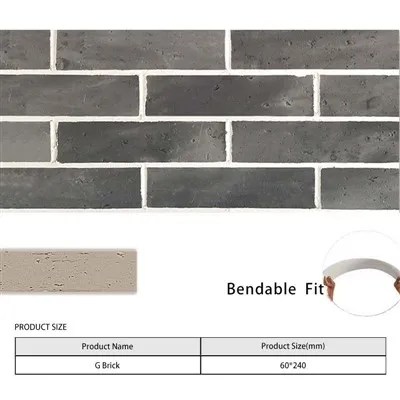
When it comes to building materials, the choice between clay bricks and stone bricks is a significant decision that can impact the aesthetics, durability, and cost of a construction project. As a clay brick supplier, I’ve had the privilege of witnessing firsthand the unique characteristics and advantages of clay bricks. In this blog, I’ll delve into a comprehensive comparison between clay bricks and stone bricks, exploring their properties, applications, and considerations to help you make an informed choice for your next building endeavor. Clay Brick
Composition and Manufacturing Process
Clay Bricks
Clay bricks are made from natural clay, which is a fine-grained soil composed of hydrated aluminum silicates. The manufacturing process begins with the extraction of clay from quarries. The clay is then processed to remove impurities and mixed with water to form a consistent paste. This paste is molded into brick shapes using either extrusion or pressing methods. After molding, the bricks are dried and fired in a kiln at high temperatures, typically between 900°C and 1200°C. This firing process gives the bricks their strength, durability, and color.
Stone Bricks
Stone bricks, on the other hand, are made from natural stones such as granite, limestone, sandstone, and slate. These stones are quarried from the earth and then cut and shaped into bricks. The cutting process can be done using saws, drills, or other cutting tools. Unlike clay bricks, stone bricks do not require firing, as they are already hard and durable in their natural state.
Physical Properties
Strength and Durability
Both clay bricks and stone bricks are known for their strength and durability. However, the strength of a brick depends on several factors, including its composition, manufacturing process, and the type of stone or clay used. In general, stone bricks are considered to be stronger and more durable than clay bricks. This is because natural stones have a higher density and are less prone to cracking and chipping. However, high-quality clay bricks that are properly manufactured and fired can also provide excellent strength and durability, making them suitable for a wide range of construction applications.
Porosity and Water Absorption
Porosity refers to the amount of empty space or pores within a material. Clay bricks are generally more porous than stone bricks, which means they can absorb more water. This can be a disadvantage in areas with high rainfall or freezing temperatures, as water absorption can lead to cracking and damage over time. However, modern clay bricks are often treated with water-repellent coatings to reduce their porosity and improve their water resistance. Stone bricks, on the other hand, are less porous and have lower water absorption rates, making them more suitable for outdoor applications where they are exposed to the elements.
Thermal Insulation
Thermal insulation is an important consideration in building design, as it can help to reduce energy consumption and maintain a comfortable indoor environment. Clay bricks have better thermal insulation properties than stone bricks. This is because the porous structure of clay bricks allows them to trap air, which acts as an insulator. As a result, buildings constructed with clay bricks tend to be more energy-efficient, as they require less heating and cooling to maintain a comfortable temperature. Stone bricks, on the other hand, have lower thermal insulation properties, which means they conduct heat more easily.
Aesthetics
Color and Texture
One of the main advantages of clay bricks is their wide range of colors and textures. During the firing process, the clay bricks can develop a variety of colors, ranging from earthy reds and browns to whites and yellows. The texture of clay bricks can also vary, from smooth and polished to rough and rustic. This allows architects and designers to create a unique and customized look for their buildings. Stone bricks, on the other hand, have a more natural and timeless appearance. The color and texture of stone bricks are determined by the type of stone used, and they can range from the smooth and uniform appearance of granite to the rough and irregular texture of slate.
Design Flexibility
Clay bricks offer greater design flexibility compared to stone bricks. They can be easily cut, shaped, and molded into a variety of sizes and shapes, allowing for more complex and creative architectural designs. In addition, clay bricks can be laid in different patterns and configurations, such as running bond, stack bond, and herringbone, to create a unique and visually appealing look. Stone bricks, on the other hand, are more limited in terms of design flexibility, as they are typically cut into standard sizes and shapes.
Cost
Initial Cost
The initial cost of clay bricks is generally lower than that of stone bricks. This is because clay is a more abundant and readily available material compared to natural stones. In addition, the manufacturing process for clay bricks is less complex and requires less energy compared to the cutting and shaping of stone bricks. However, the cost of clay bricks can vary depending on the quality, size, and color of the bricks, as well as the location and availability of the supplier.
Long-Term Cost
When considering the long-term cost of a building project, it’s important to take into account factors such as maintenance, repair, and energy efficiency. As mentioned earlier, clay bricks have better thermal insulation properties than stone bricks, which can result in lower energy costs over time. In addition, clay bricks are generally easier to repair and replace compared to stone bricks, which can be more difficult to match in terms of color and texture. However, the long-term cost of a building project also depends on the quality of the materials used, the construction methods, and the local climate and environmental conditions.
Environmental Impact
Sustainability
In today’s environmentally conscious world, sustainability is an important consideration when choosing building materials. Clay bricks are considered to be a more sustainable option compared to stone bricks. This is because clay is a natural and renewable resource that can be easily extracted and processed. In addition, the manufacturing process for clay bricks requires less energy compared to the cutting and shaping of stone bricks. Furthermore, clay bricks can be recycled and reused at the end of their lifespan, reducing the amount of waste sent to landfills.
Carbon Footprint
The carbon footprint of a building material refers to the amount of greenhouse gas emissions associated with its production, transportation, and use. Clay bricks generally have a lower carbon footprint compared to stone bricks. This is because the manufacturing process for clay bricks requires less energy and produces fewer emissions compared to the cutting and shaping of stone bricks. In addition, the better thermal insulation properties of clay bricks can result in lower energy consumption and reduced emissions over the lifespan of a building.
Applications
Residential Construction
Both clay bricks and stone bricks are commonly used in residential construction. Clay bricks are a popular choice for homes due to their affordability, design flexibility, and thermal insulation properties. They can be used for both interior and exterior walls, as well as for decorative purposes such as fireplaces and chimneys. Stone bricks, on the other hand, are often used for high-end and luxury homes, as they provide a more natural and elegant look. They are commonly used for exterior facades, retaining walls, and landscaping features.
Commercial Construction
In commercial construction, the choice between clay bricks and stone bricks depends on the specific requirements of the project. Clay bricks are often used for commercial buildings such as offices, schools, and hospitals due to their cost-effectiveness, durability, and fire resistance. Stone bricks, on the other hand, are commonly used for high-profile and prestigious commercial projects such as museums, libraries, and government buildings, as they provide a sense of permanence and grandeur.
Landscaping and Outdoor Projects
Both clay bricks and stone bricks are suitable for landscaping and outdoor projects. Clay bricks can be used to create walkways, patios, and retaining walls, as well as for decorative purposes such as garden borders and planters. Stone bricks, on the other hand, are commonly used for more natural and rustic landscaping designs, such as rock gardens and water features.
Conclusion
In conclusion, the choice between clay bricks and stone bricks depends on a variety of factors, including the specific requirements of the project, the budget, the aesthetic preferences, and the environmental considerations. As a clay brick supplier, I believe that clay bricks offer several advantages over stone bricks, including affordability, design flexibility, thermal insulation, and sustainability. However, stone bricks also have their own unique characteristics and advantages, such as strength, durability, and a natural and timeless appearance.
Flexible Stone Ultimately, the best way to determine which type of brick is right for your project is to consult with a professional architect or builder, who can provide you with expert advice and guidance based on your specific needs and preferences. If you’re interested in learning more about our clay brick products or would like to discuss your building project with us, please don’t hesitate to get in touch. We’d be happy to help you find the perfect clay bricks for your next construction endeavor.
References
- ASTM International. (2021). Standard Specification for Fired Clay Building Brick (Solid Masonry Units Made from Shale or Clay). ASTM C62.
- Brick Development Association. (2020). Brickwork Design Guide.
- National Brick Research Center. (2019). Brick Masonry Handbook.
- Stone Industry Alliance. (2022). Natural Stone Manual.
Jiangsu Baidai Energy-Saving Building Materials Co., Ltd.
As one of the most professional clay brick manufacturers and suppliers in China for over 20 years, we also support customized service. Please feel free to buy clay brick made in China here and get free sample from our factory. For price consultation, contact us.
Address: NO.37 Standard Workshop, Hailing Industrial Park, Taizhou City, Jiangsu Province, P.R.China
E-mail: Andy@baidai.cn
WebSite: https://www.bdflexiblestone.com/
