Hey, so let’s cut to the chase—if you’re deep in the aquaculture game, you know that bulk buying aquatic feed bags is a big move. Mess this up, and you’re dealing with leaky feed, spoiled product, or even wasted cash on bags that fall apart mid-storage or transport. I get it, though—waiting for a full container load only to realize the bags suck is way worse. That’s why one of the most common questions I field (from small family-owned hatcheries to large commercial fish farms) is: “Can I get a sample of aquatic feed bags before I buy in bulk?” Aquatic Feed Bags
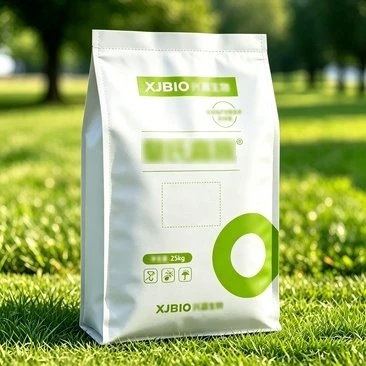
Let me be super clear on this: ABSOLUTELY you can. And if a feed bag supplier tells you no? Run. Not just because they’re being unhelpful, but because they probably don’t care enough about their product to make sure it works for your farm specifically. I’ve been in this game for over a decade (started helping my uncle’s tilapia farm in Florida package feed back in 2012, so I’ve seen every mistake in the book), and now I run a small, no-BSS aquatic feed bag supply line. Let me break down why samples matter, how we do samples right, and what to actually check when you’re testing them.
First, let’s get specific about what makes aquatic feed bags different from, say, the flour bags you grab at the grocery store. These bags aren’t just for holding stuff—they have to handle unique conditions. You’re dealing with wet feed, high humidity (if your farm is in a tropical or subtropical area, I’m lookin’ at you), maybe even being stacked in a damp warehouse, or tossed around on a delivery truck that hits a few potholes. Poor-quality bags will tear when you’re filling them, leak feed into the truck, or let moisture seep in and turn your feed into mush. Trust me, we had a customer a couple years back who skipped samples, bought a cheap “generic” bag from a guy online, and ended up with 10 pallets of feed ruined because the bags weren’t water-resistant. He lost almost $15k in feed, and that’s not even counting the delay to his harvest schedule. Samples would’ve saved him a ton of headache (and cash).
Now, how do our samples work? No hoops to jump through, no hidden fees (unless you want like 20+ samples for a bunch of weird tests, which I’ll charge a small flat rate for, but that’s rare). You just shoot over your info—what kind of feed you’re packaging (pellet size? Is it floating or sinking? That matters a TON), how much you fill each bag (1kg? 25kg? 50kg?), and any specific needs you have (like UV resistance if you’re storing bags outside, or a specific color for your brand). We’ll pack a small set of bags (usually 5-10, enough to do actual tests) and ship them out within 2-3 business days. No waiting weeks, no weird shipping costs you didn’t agree to.
Wait, but what should you actually test with those samples? I’ve seen people just glance at a sample and decide, no—you need to do real, farm-appropriate tests, not just “does this look thick enough.” Let’s go through the big ones:
-
The fill and tear test: Grab a funnel (or your regular feed filler, if it’s small enough) and put one of the samples to the test. Fill it with your actual feed, not sand or a fake material. That’s key! A bag might feel thick, but if the stitching is garbage, it’ll tear when you’re funneling in feed at a fast pace. I’ve had a customer who tested samples with sand and thought they were fine, but when they used actual sinking shrimp feed (which is denser), the bags split at the seams. So use your real feed. Also, test the handles if you’re using them—can you lift a full bag without the handles snapping? No cheap flimsy handles here.
-
Moisture resistance test: This is make-or-break for aquatic feed. Grab a spray bottle, mist the outside of the sample bag a few times, or leave it in a bucket of water for 10 minutes (not submerged for hours, just enough to simulate a damp truck or warehouse). Then cut it open and check if the feed inside is dry. If any moisture seeped through, that bag’s not for you. We use a special polyethylene blend for most of our bags that’s tested to resist humidity, but different climates need different blends—so if you’re in a place like Louisiana where it rains nonstop, tell us, and we’ll tweak the sample to be extra water-resistant.
-
UV resistance (if you need it): A lot of farms store bags outside temporarily if their warehouse is full. If that’s you, leave a sample out in the sun for 3-5 days. Does the plastic start to fade or get brittle? If yes, that’s bad—once it gets brittle, it’ll tear when you move it. We add UV inhibitors to our outdoor bags, but if you don’t need that, we can skip it to keep costs down. No point paying for extra features you’ll never use.
-
Seal test: If you’re heat-sealing your bags (a lot of commercial farms do this now to keep feed fresh), test the seal. Does it hold when you squeeze the bag hard? Pour a little water in the sealed bag and leave it upside down for 5 minutes—any leaks? If yes, the heat seal is garbage, and you’ll be wasting feed every time you seal. We use high-quality sealing equipment, but different bag materials need different heat settings, so testing the sample seal with your setup is crucial.
Another thing: samples aren’t just about the product—they’re about checking how we work. If you reach out and our team gets back to you in 2 days, and the sample shows up on time, that’s a good sign. If we’re dodging your questions now, imagine how it’ll be when you have a bulk order and a problem comes up (and trust me, problems always come up). For example, last month a fish farm in Texas needed a custom bag with their logo printed on it for a big wholesale order—they asked for a sample with the print, and we sent it with a draft of the logo proof so they could make sure the color was right. If we’d skipped samples, they would’ve ended up with thousands of bags with a blurry logo, which is a nightmare for their brand.
I know what some of you are thinking: “Samples are a hassle, and I don’t want to wait.” Or “I don’t have time to do all these tests.” Let me make this easy for you. When you request a sample, I’ll send a quick little “test cheat sheet” with exactly what to do, no complicated instructions. And if you’re short on time? No problem—we can even help you out with quick tests if you shoot us a video of you filling the sample bag. We’re not here to make this hard.
Wait, but what about small farms? Like, if you’re a new hatchery that only needs 500 bags to start, not 10,000? We get that. No minimum sample order—even if you just need 2 bags to test, we’ll send them. Some suppliers will say “samples are for bulk buyers only” but that’s garbage. Everyone deserves to make an informed choice, no matter their size.
Let me also address a common complaint I hear about samples from other suppliers: “they send a sample that’s the best of the best, but the bulk order is way worse.” That’s not how we roll. All our samples are made from the exact same material, with the same stitching, seals, and printing as the bulk bags. No switching to cheap stuff once you order in large quantities. Why? Because my business is built on repeat customers. If a farm orders 50,000 bags from us and they work great, they’ll come back for more, and refer their friends. Cutting corners on bulk product just to make a quick buck will kill that. We’ve had customers who’ve been with us for 7 years—they started as a 1,000-bag order, now they order 200,000 a year. That’s the kind of relationship we want.
So, let’s recap. If you’re thinking about bulk buying aquatic feed bags: yes, get samples. Don’t skip this step. Test them with your actual feed, do the moisture and tear tests, and make sure they fit your specific farm’s needs. And if you’re looking for a supplier that actually cares about your success (and won’t make you jump through hoops for samples)? Hit us up. We’ll send your samples fast, answer all your questions, and make sure you get bags that work for your operation, not some generic one-size-fits-all garbage.
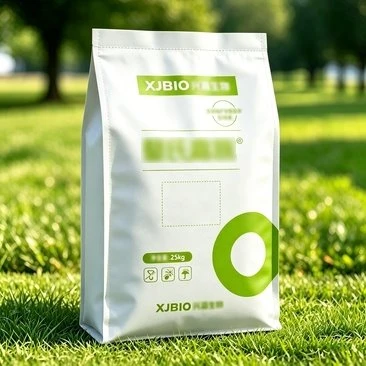
I get that aquaculture is a tough industry—you’re dealing with variable water conditions, disease, market prices, and enough headaches already. The last thing you need is a supplier that’s unresponsive or sells you bad bags that mess up your harvest. Taking 10 minutes to test samples will save you from way bigger problems down the line.
Livestock Feed Composite Bags So what are you waiting for? If you’ve been putting off bulk ordering because you’re worried the bags won’t work, or you just want to make sure you’re making the right call, shoot us a message to get your samples. We’re here to help you succeed, one good aquatic feed bag at a time.
References
- Aquaculture Feed Packaging: Selection, Performance, and Environmental Considerations, Aquaculture Reports, 2021
- Moisture Barrier Performance in Flexible Packaging for Agricultural Products, Journal of Packaging Technology and Science, 2019
- UV Stabilization of Polyethylene Films for Outdoor Agricultural Applications, Polymer Engineering & Science, 2020
Zhejiang Xifeng Packaging Co., Ltd.
We are one of the most experienced aquatic feed bags manufacturers and suppliers in China. With a professional production team, we offer a wide range of products with superior quality. Please feel free to buy bulk aquatic feed bags at competitive price from our factory. We also accept customized orders.
Address: Xiaojiang Town, Pingyang County, Wenzhou City, Zhejiang Province, China
E-mail: zjxifeng@126.com
WebSite: https://www.xifengpackaging.com/
