Hey there! If you’ve ever messed with electronics, power tools, or even sat in a room with a big charging unit, chances are you’ve bumped into inductors. And let’s be real—most folks don’t stop to think about the unsung hero that makes those inductors work like they should: silicon steel coils and sheets. I’ve been supplying this stuff for over a decade now, and I hear the same questions over and over: “Wait, what even is silicon steel, and why does it matter for inductors?” So let’s break it down, no fancy jargon overload, just real talk from someone who’s seen this material get turned into everything from phone chargers to industrial power stations. Silicon Steel Coils and Sheets
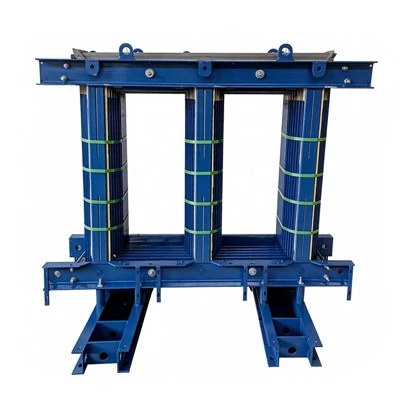
First off, quick lowdown on what silicon steel actually is (skip this if you already know, but stick around—you’ll learn the supplier side that no textbook tells you). It’s basically regular steel that’s had silicon mixed in, usually 1-4% depending on what we’re making. That tiny silicon tweak does huge things: it cuts down on energy loss when the steel gets magnetized and demagnetized over and over—something core steel would suck at. No one wants a power hogging inductor, right? That’s where our silicon steel coils and sheets come in. We don’t just cut it up; we process it to have super specific grain structures, which is key for inductors. Grain-oriented silicon steel, for example, is aligned so it works best when the magnetic field runs a certain way—ideal for big, heavy-duty inductors, while non-oriented is for smaller, all-direction use. That differentiation is why our customers keep coming back.
Now, let’s get into the applications—this is the fun part, because I’ve shipped silicon steel coils to places that make stuff I never would’ve guessed. Let’s start with the most common one you probably use every day: power electronics for consumer goods. Think about your laptop charger, wireless earbud case, or even the power brick for your TV. The inductors in these need to be tiny, lightweight, and not waste energy as heat. We supply thin silicon steel sheets here—super precise, like 0.2mm thick sometimes—because they can handle the fast switching speeds in these chargers without losing oomph. A few years back, a client made a line of fast-charging phone adapters that cut charging time in half, and their secret was switching from old copper-only inductors to ones with our silicon steel cores. No more overheating on your desk, that’s our doing.
Next up—industrial power equipment, and this is where our heavy-duty silicon steel coils shine. If you’ve ever been to a factory, you’ve seen the big transformers, variable frequency drives (VFDs), and motor control units that keep the whole place running. Inductors in these have to handle massive voltage and current surges, and they can’t afford to fail. We ship huge rolls of grain-oriented silicon steel here, because it can carry that strong magnetic field without leaking energy (that’s called core loss, by the way—we target less than 1W per kg at 50Hz, which is top of the line for us). I remember a client in the auto parts industry making stamping presses—their old inductors would burn out every 6 months, costing them thousands in downtime. They swapped to our silicon steel coils, and those inductors have lasted 3 years straight with zero issues. That’s the kind of win that makes the late nights at our warehouse worth it.
Another area that’s blowing up lately is renewable energy systems. Wind turbines, solar inverters—these guys rely on inductors to convert the variable power from the panels or blades into steady, usable electricity for the grid. The inductors here have to handle outdoor conditions, be efficient, and not waste even a tiny bit of power because every watt counts when you’re generating green energy. We recently supplied non-oriented silicon steel sheets to a solar inverter manufacturer—they told us the efficiency jumped by 2% after switching, which might not sound like a lot, but for a 10MW solar farm, that’s an extra 200,000 kWh a year. That’s enough to power 20 homes for a whole year. No cap, that’s the real impact silicon steel has on the energy transition.
Wait, and let’s not forget automotive—especially electric vehicles (EVs). EVs are full of inductors: in the on-board chargers, the powertrain inverters, even the auxiliary systems for the infotainment. Tesla, Ford, Volkswagen—all the big names source silicon steel for their inductors, and we’ve gotten in on that too. The key here is that EV components need to be compact, because under the hood or in the chassis, space is premium. Our thin-gauge silicon steel coils let engineers make smaller inductors that still handle the high currents needed for EVs. A while back, we worked with a startup making electric delivery vans—they were struggling to fit their charger in the van’s front compartment until we sent them custom-sized silicon steel sheets that trimmed their inductor size by 15%. That meant they could fit more packages without sacrificing charging power. Genius, right?
Oh, and there’s a niche one I love: aerospace and defense. Inductors in satellites, radar systems, and military communication gear have to be lightweight, super reliable, and work in extreme temperatures. We make special heat-treated silicon steel sheets that can handle -50C to 150C, no problem. A client making satellite communication systems told us their old inductors would glitch when the satellite went into Earth’s shadow (super cold) and came back into sunlight. After switching to our treated silicon steel, those glitches are gone. Little parts, big jobs.
Now, let’s talk about why suppliers like me matter here. It’s not just about selling rolls of steel—we work closely with inductor manufacturers to get the right grade, thickness, and even custom cut sizes. Some clients need sheets that are exactly 100mm x 50mm, no more, no less. We have slitting and sheeting machines that can do that, plus we run quality checks every step of the way to make sure there are no defects that would mess up an inductor. I’ve had clients come to me with a bad batch from another supplier—said the silicon steel had tiny bubbles that caused core loss, so the inductor got hot and failed. That’s why we test every roll with a permeameter, checking those magnetic properties before it leaves our warehouse. No cutting corners, because we know if our material fails, their business fails.
Wait, let’s address a common misconception: some folks think with all the new tech like soft ferrites or powdered metals, silicon steel is outdated. Nope, not even close. Silicon steel has the highest magnetic saturation of any common material, which means it can handle way higher currents than those newer materials without getting saturated. For inductors that need to carry heavy current, like those in big motors or solar inverters, silicon steel is still the go-to. It’s way more cost-effective too—you get better performance for less money than a lot of alternatives. I see new materials come and go every couple years, but silicon steel is here to stay, and we’re keeping up with the advancements too—we just rolled out a new low-loss grade that cuts core loss by another 10%, which is huge for the industry.
So who’s using these applications? Let’s recap: consumer electronics brands, industrial machinery factories, solar and wind energy companies, EV manufacturers, aerospace and defense contractors. These folks don’t just need a supplier—they need a partner who understands their inductor needs, can deliver consistent material on time, and is willing to tweak the product when their design changes. That’s where we come in. We don’t just ship coils; we answer questions at 8 PM when a client has an emergency order, we adjust thicknesses when their inductor design changes, we troubleshoot when their inductors aren’t performing as expected. Last quarter, a client had a last-minute order for 50 tons of silicon steel coils for a new EV line—we rearranged our production schedule, worked with our shipping team to get it on an early flight, and they got it 2 days ahead of their deadline. That’s the kind of service that sticks.
Now, if you’re an inductor manufacturer (or even a designer working on a new project) and you’re tired of dealing with material that’s inconsistent, too expensive, or doesn’t meet your inductor’s performance needs, hit us up. We can send you free samples of our silicon steel coils and sheets, walk you through the different grades (grain-oriented vs non-oriented, different thicknesses), and help you figure out exactly what you need for your specific application. Whether you’re making a tiny wireless charger in your garage or a giant transformer for a power grid, we’ve got the material to make your inductors work better, more efficiently, and last longer.
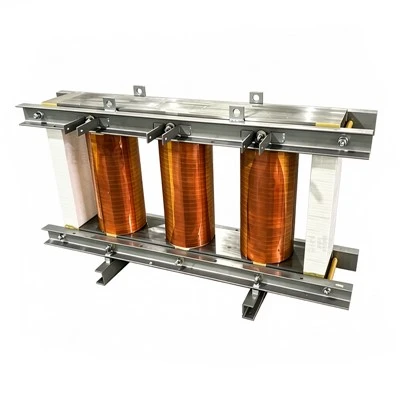
At the end of the day, inductors are all about moving power efficiently, and silicon steel is the backbone that makes that happen. I’ve been in this game long enough to know that the best innovations start with the right material, not just a great design. If you’re ready to stop settling for okay and start using the kind of silicon steel that makes inductors perform their best, reach out. We’re here to help you power whatever you’re building.
Transformer Accessories References
- Electric Power Research Institute (EPRI). (2020). Silicon Steel Applications in Power Electronics and Inductors. EPRI Journal of Power Components.
- American Iron and Steel Institute (AISI). (2022). Silicon Steel Grades and Performance Specifications for Electromagnetic Devices. AISI Technical Report.
- International Energy Agency (IEA). (2021). Renewable Energy Technology Roadmap: The Role of Silicon Steel in Grid-Connected Inverters. IEA Sustainable Energy for All Series.
- IEEE Transactions on Magnetics. (2019). Core Loss Reduction in Silicon Steel for EV Powertrain Inductors. IEEE Transactions on Industrial Electronics.
Wuxi Zhongpu Electric Co., Ltd.
As one of the most professional silicon steel coils and sheets manufacturers and suppliers in China, we also support customized service. Please feel free to wholesale bulk high quality silicon steel coils and sheets made in China here from our factory. Welcome to contact us for pricelist.
Address: No.52 Jiankang Road, Donggang Town, Xishan District, Wuxi City, Jiangsu Province
E-mail: 13585006135@163.com
WebSite: https://www.zhongpuelectric.com/
